
In the realm of digital gambling, visual design plays a critical role in shaping player experience, guiding attention, and influencing behavioral outcomes. One emerging approach that has gained traction is the use of emotion-neutral visual language within casino user interfaces. This design philosophy centers on minimizing emotionally charged stimuli, reducing cognitive bias, and promoting a balanced user engagement that encourages deliberate decision-making rather than impulsive reactions. By intentionally curating a visual environment that is neither overly exciting nor discouraging, designers can cultivate trust, clarity, and longer-term engagement across the platform.
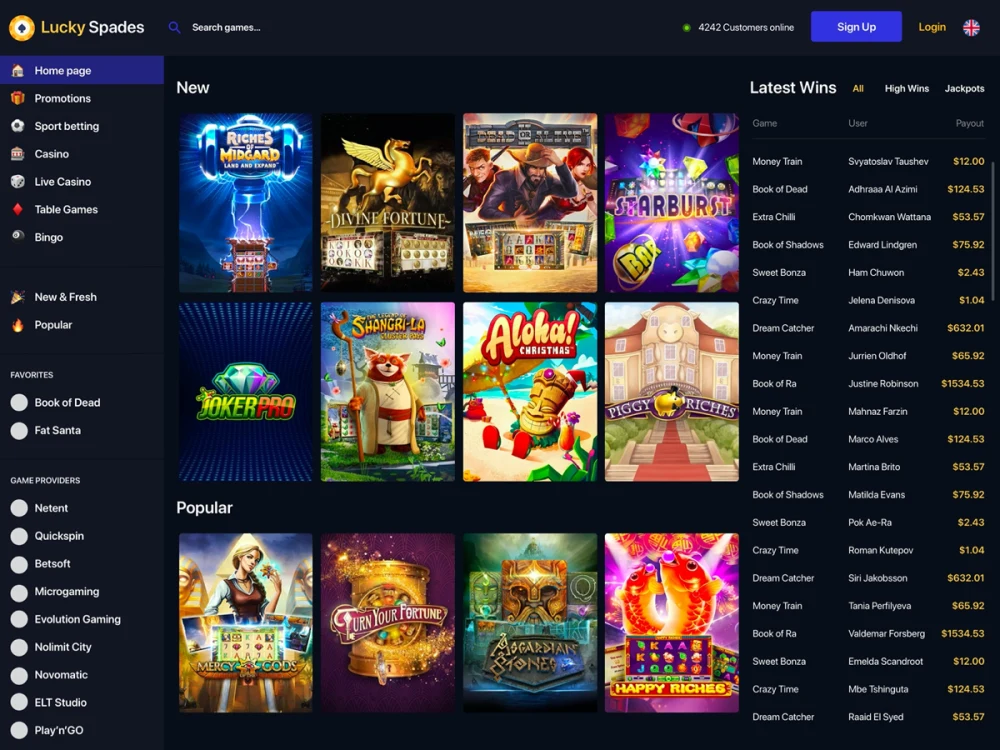
Emotion-neutral visual language often manifests through the careful selection of colors, typography, iconography, and interface animations. For instance, bright, saturated colors are commonly associated with excitement, urgency, or reward, whereas muted, desaturated tones convey calmness and neutrality. In the context of casino UX, overly vivid colors can subconsciously trigger risk-seeking behavior, amplifying the allure of high-stakes betting. By contrast, a palette that leans towards neutral or balanced tones reduces the emotional load on players, allowing them to process game mechanics and odds more objectively. This approach does not eliminate engagement; rather, it channels attention towards functional elements such as bet placement, game rules, and account management without overwhelming the user.
Typography is another crucial component in emotion-neutral design. Fonts that are overly stylized, decorative, or exaggerated can evoke excitement or urgency, subtly influencing the player’s psychological state. In contrast, clean, legible typefaces communicate information efficiently, supporting cognitive clarity. Information hierarchy—such as headings, subheadings, and callouts—can be established using neutral font weights and consistent spacing, ensuring that players can navigate complex game information without emotional bias. Consistency in typographic presentation across various sections of the casino platform further reinforces a sense of reliability and predictability, which is particularly important in environments where trust is paramount.
Iconography and graphical cues also benefit from a neutral design approach. Icons that depict rewards, bonuses, or risk in an exaggerated manner can inadvertently trigger excitement or anxiety. Emotion-neutral icons, on the other hand, employ minimalistic shapes, soft edges, and balanced compositions to convey meaning without inducing strong affective responses. This not only aids comprehension but also supports accessibility, ensuring that all users, including those sensitive to visual stimuli or prone to impulsive behavior, can interact with the platform safely. The use of standardized symbols for common actions such as spinning, betting, or cashing out reinforces familiarity and reduces the cognitive load associated with learning new visual semantics.
Animations and motion in casino UX are frequently employed to signal wins, losses, or special events. While dynamic motion can increase engagement, excessive or exaggerated animations risk creating emotional highs that can bias decision-making. Emotion-neutral visual design favors subtle, purposeful animations that indicate state changes without evoking strong affect. For example, a gentle fade or slide to highlight a winning line, rather than a flashing, spinning confetti effect, communicates success without overstimulating the player. Similarly, transitions between menus, screens, or game states are smoother and less jarring, supporting a calm, controlled environment where users are more likely to make informed choices rather than impulsive ones.
Another critical consideration is the layout and spatial organization of the interface. Emotion-neutral design emphasizes clarity, symmetry, and predictability in arrangement. Central elements such as balance information, betting options, and game controls are positioned logically, with sufficient spacing to avoid visual clutter. This approach ensures that users can locate essential functions quickly, reducing frustration and the likelihood of hurried decisions driven by perceived scarcity or pressure. Neutral spacing and alignment also contribute to a psychologically safe environment, allowing players to engage with games over longer periods without the stress or fatigue associated with densely packed, emotionally charged interfaces.
The integration of feedback mechanisms is similarly impacted by emotion-neutral principles. Audio cues, visual highlights, or haptic feedback are commonly used to reinforce outcomes and actions. In a neutral UX framework, these signals are designed to be informative rather than emotionally provocative. Subtle auditory tones, mild visual highlights, and restrained haptic responses communicate success, failure, or status changes without overstimulating the reward centers of the brain. This deliberate moderation aligns with responsible gaming practices, reducing the risk of addictive patterns fueled by excessive emotional arousal. By controlling the affective intensity of feedback, designers can encourage a more reflective and deliberate style of play.
Emotion-neutral visual language also intersects with personalization and adaptive UX strategies. By observing user interactions and tailoring visual elements to reduce overstimulation, platforms can accommodate a wide range of player profiles. Experienced users, for example, may prefer minimalistic dashboards that prioritize functionality, while casual players might benefit from subtle guidance that highlights important actions without inducing excitement. Through data-driven design adjustments, the platform can maintain a consistent neutral tone while addressing individual preferences, fostering long-term engagement built on clarity and trust rather than emotional manipulation.
Accessibility considerations are inherently supported by emotion-neutral approaches. Individuals with sensory sensitivities, cognitive differences, or tendencies toward compulsive behavior are less likely to experience overstimulation or discomfort in interfaces designed with neutral visual language. High contrast ratios, legible fonts, predictable iconography, and restrained animation all contribute to inclusivity, ensuring that the casino experience is equitable and user-friendly for diverse populations. By integrating these practices, platforms demonstrate a commitment to ethical design and responsible gaming, reinforcing credibility and trustworthiness in the marketplace.
The broader impact of adopting emotion-neutral visual language extends beyond individual sessions. Platforms that employ balanced, neutral visual strategies may see improved user retention and satisfaction, as players are able to focus on strategy and gameplay mechanics rather than being driven by impulsive emotional triggers. This approach can also facilitate clearer communication of game rules, odds, and responsible gaming messages, contributing to an informed and sustainable gaming culture. In highly competitive markets, such differentiation through design ethics and cognitive clarity can become a strategic advantage, positioning a platform as reliable, fair, and user-centric.
In conclusion, emotion-neutral visual language in casino UX represents a deliberate shift away from traditional design tactics that rely on emotional arousal to drive engagement. By employing balanced colors, clear typography, minimalistic iconography, subtle animations, and structured layouts, designers create environments that prioritize cognitive clarity, accessibility, and ethical user engagement. Feedback mechanisms are calibrated to inform rather than provoke, while personalization strategies further tailor the experience without sacrificing neutrality. The result is a casino interface that fosters trust, facilitates deliberate decision-making, and supports sustainable player behavior, ultimately enhancing both user experience and platform credibility in a complex and competitive digital gambling landscape.




Leave a Reply